Before completing any non-replacement fall landscape changes, owners of all property types must submit a change request form to the Las Colinas Architectural Control Committee (ACC). To submit a request, click here. If you are unsure if your landscape change requires approval email plans@lascolinas.org.

Each season in Texas brings changes to our weather, and fall is no exception. While temperatures may begin to cool, North Texas landscapes still require careful attention during the fall months. To help members navigate the extremes of Texas weather, the Las Colinas Association partnered with Dr. R.E. Moon and Associates to identify sustainable landscape solutions suited to Las Colinas.
Because Las Colinas categorizes properties as residential, multi-family and commercial, it is important to follow the appropriate landscape guidelines for your property. While the approved plant lineup is the same across all three property types, requirements for planting, placement and landscaping vary by type.
Before completing any non-replacement fall landscape changes, owners of all property types must submit a change request form to the Las Colinas Architectural Control Committee (ACC). To submit a request, click here. If you are unsure if your landscape change requires approval, email plans@lascolinas.org.
The Residential, Multi-Family and Commercial Landscape Guidelines are filled with year-round recommendations, including approved plants, irrigation schedules, soil preparation and fertilization. Since these guidelines cover the entire year, we’re breaking down what you need to know to care for your Las Colinas landscape this fall.
Before you pick plants, it’s key to know what soil you are working with. The average soil pH in Las Colinas is 7.8, which is classified as moderately alkaline. According to Dr. Moon’s landscape guidelines, acid-loving plants such as azaleas are excluded from the approved plant lists because of local soil conditions. For this reason, select plants from the approved list. You can find your property type’s landscape guidelines and preferred plant lists here.
On the topic of soil, it’s also key to check for diseases and pest issues. A common disease issue Dr. Moon’s team is seeing is Pythium Blight in drought-stressed turf. Signs of Pythium Blight are a dark brown transition zone between yellow, drought-stressed turf and healthy green turf. A visual sign your turf has this is that it looks like motor oil and feels greasy/slick to the touch. To remedy this issue, Dr. Moon recommends using one of the following products: Spectracide Immunox, Scotts Disease EX, or Bio-Advanced Fungus Control for Lawns. After applying one of these products to the affected area, be sure not to mow your turf until the disease is gone, disinfect your mowers, shoes, and gardening tools to prevent disease spread and be sure to water turf in the morning so it dries by sunset.

As you’re inspecting your lawn for any signs of issues, be on the lookout for Chinch Bugs. These bugs cause major turf damage in hot, dry weather. Here are the warning signs to look for: irregular patches of yellow/wilting grass turning brown despite watering. To prevent and control Chinch Bugs, be sure to mow regularly, inspect the soil surface, water deeply but infrequently to avoid overwatering, avoid over-fertilizing and spot-treat severe infestations with labeled lawn Insecticide.

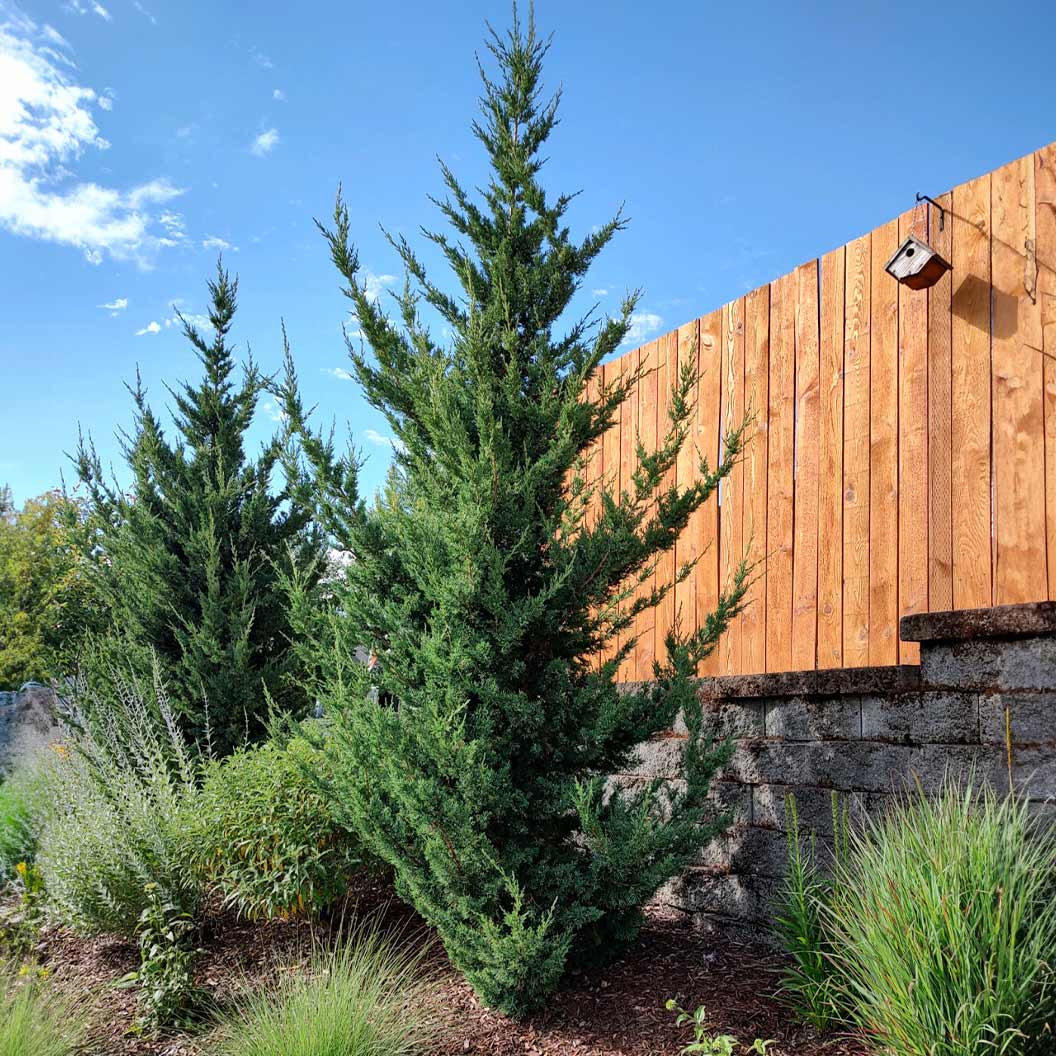
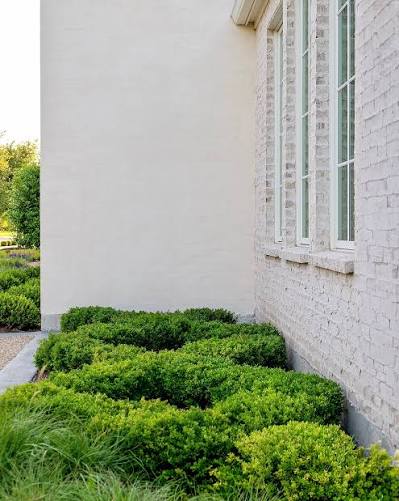
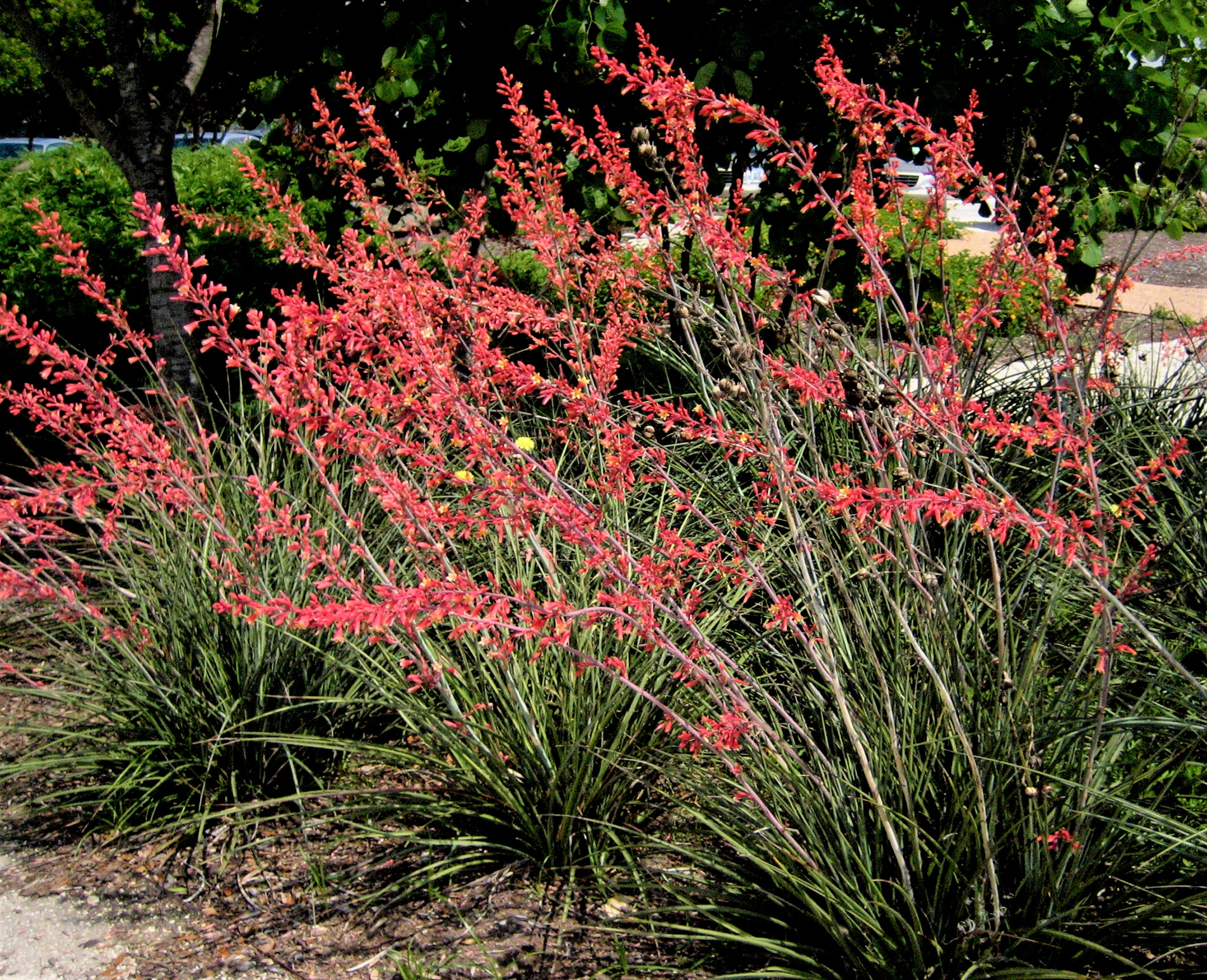
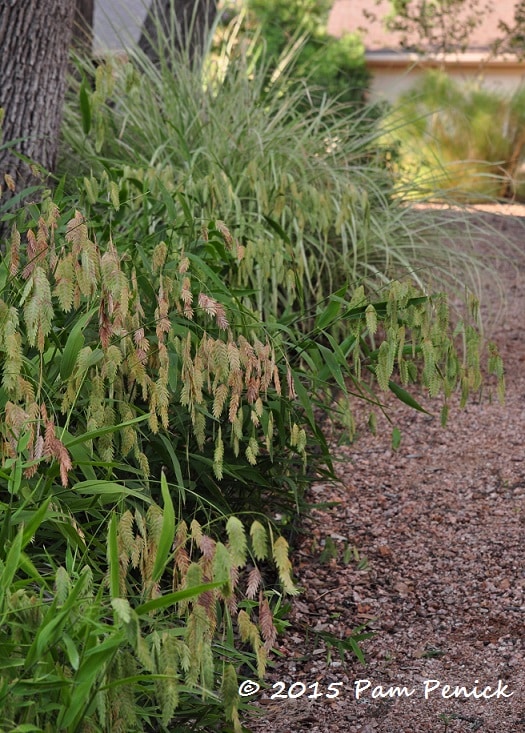
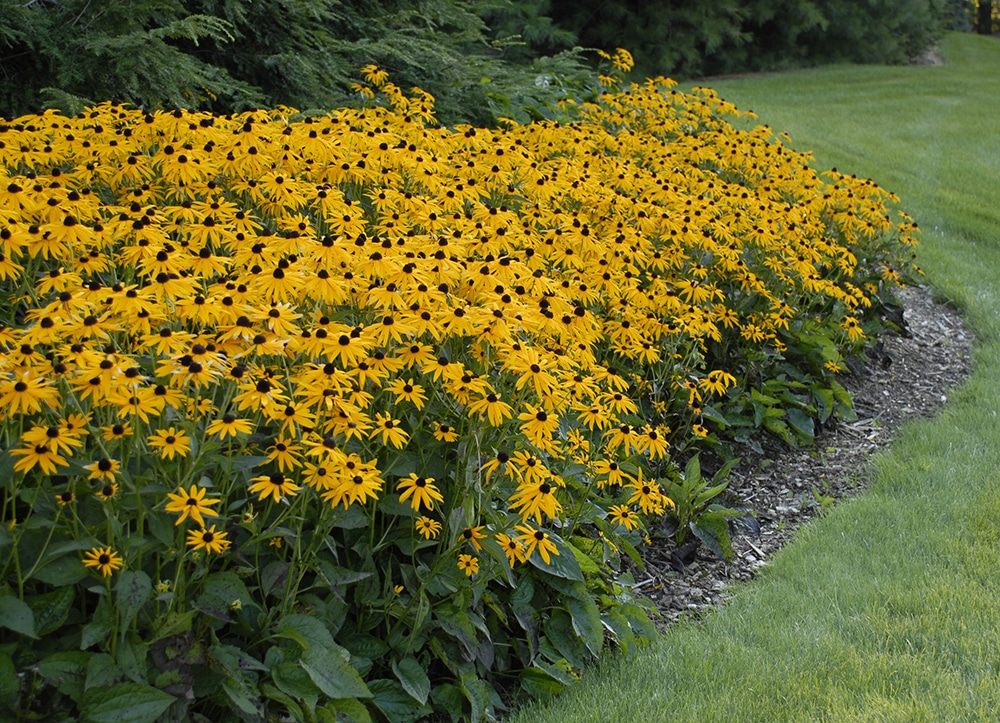
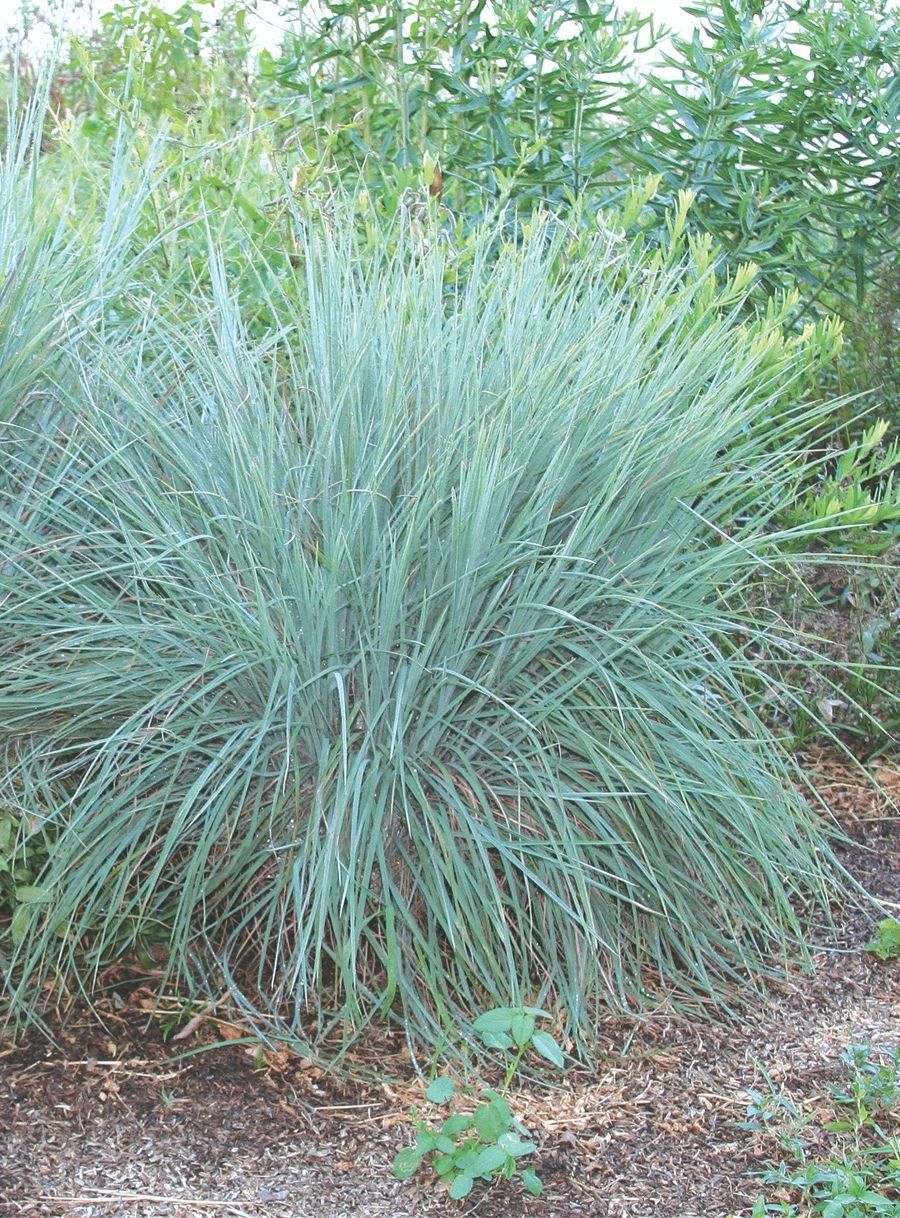
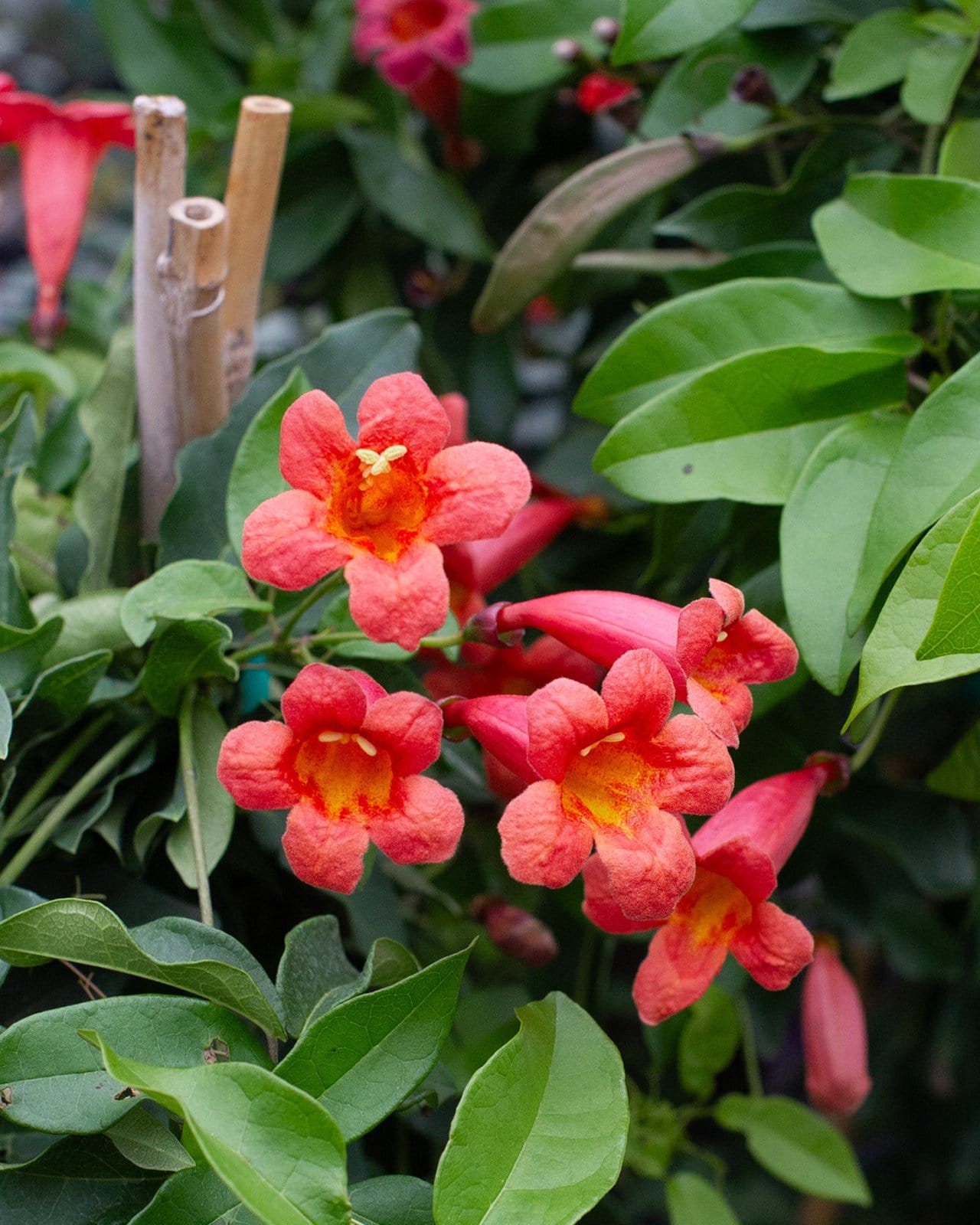
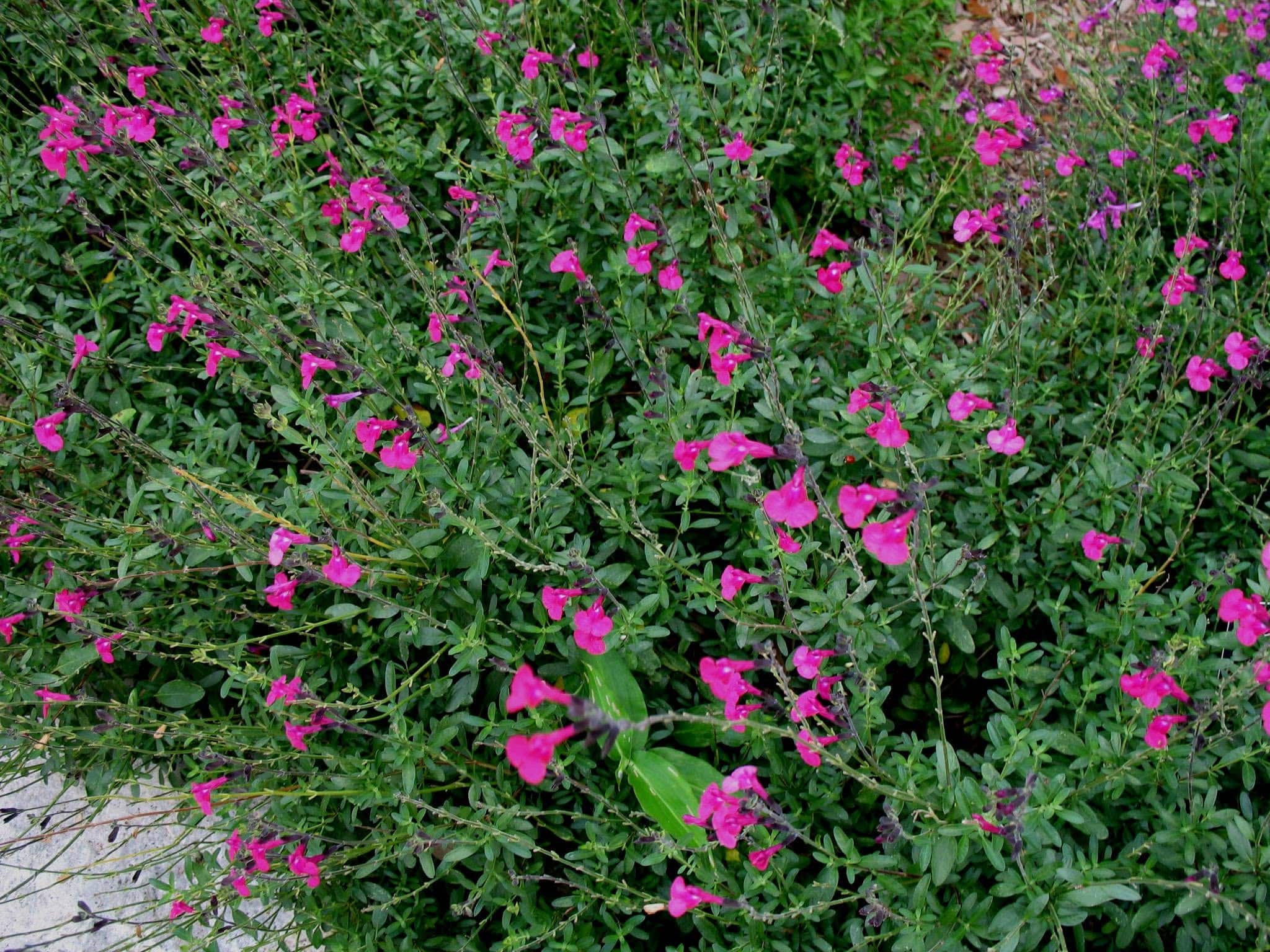
The approved plant lists include canopy and ornamental trees, shrubs, ornamental grasses, perennials, vines and groundcover. While there are many options to choose from, the following plants are best to plant in the fall and are highlighted in the approved plant lists.
Canopy Trees
Ornamental Trees
Shrubs
Ornamental Grasses
Perennials
Vines and Groundcover
The landscape guidelines provide monthly irrigation recommendations based on the time of year. These recommendations are a starting point and should be adjusted based on rainfall, soil conditions and the needs of your landscape.
Fall irrigation schedule
September: Set to run once a week
October: Set to run once every 7-10 days
November: Set to run once every two weeks
December: Turn the controller off
Regardless of the month, the guidelines recommend watering in the early morning to reduce evaporation and help prevent disease. The recommended run times are:
Spray heads: 12-20 minutes
Rotor heads: 30-45 minutes
Bubbler heads: 5-10 minutes
Drip: 30-45 minutes
Remember, these schedules are general guidelines. The landscape documents recommend regularly checking soil moisture and adjusting irrigation based on rainfall, soil type and landscape conditions.
Fall is an ideal time to evaluate your landscape, make approved changes and prepare your plants for cooler temperatures. By selecting plants from the approved list and following the appropriate landscape and irrigation guidelines for your property type, you can help create a sustainable landscape suited to Las Colinas and that is approved by the ACC Department. Before completing any non-replacement landscape changes, owners of all property types must submit a change request form to ACC. To submit a request, click here. If you are unsure if your landscape change requires approval, email plans@lascolinas.org.